
Colon Therapy
Closed-System Colon Hydrotherapy
The Importance of the Gut
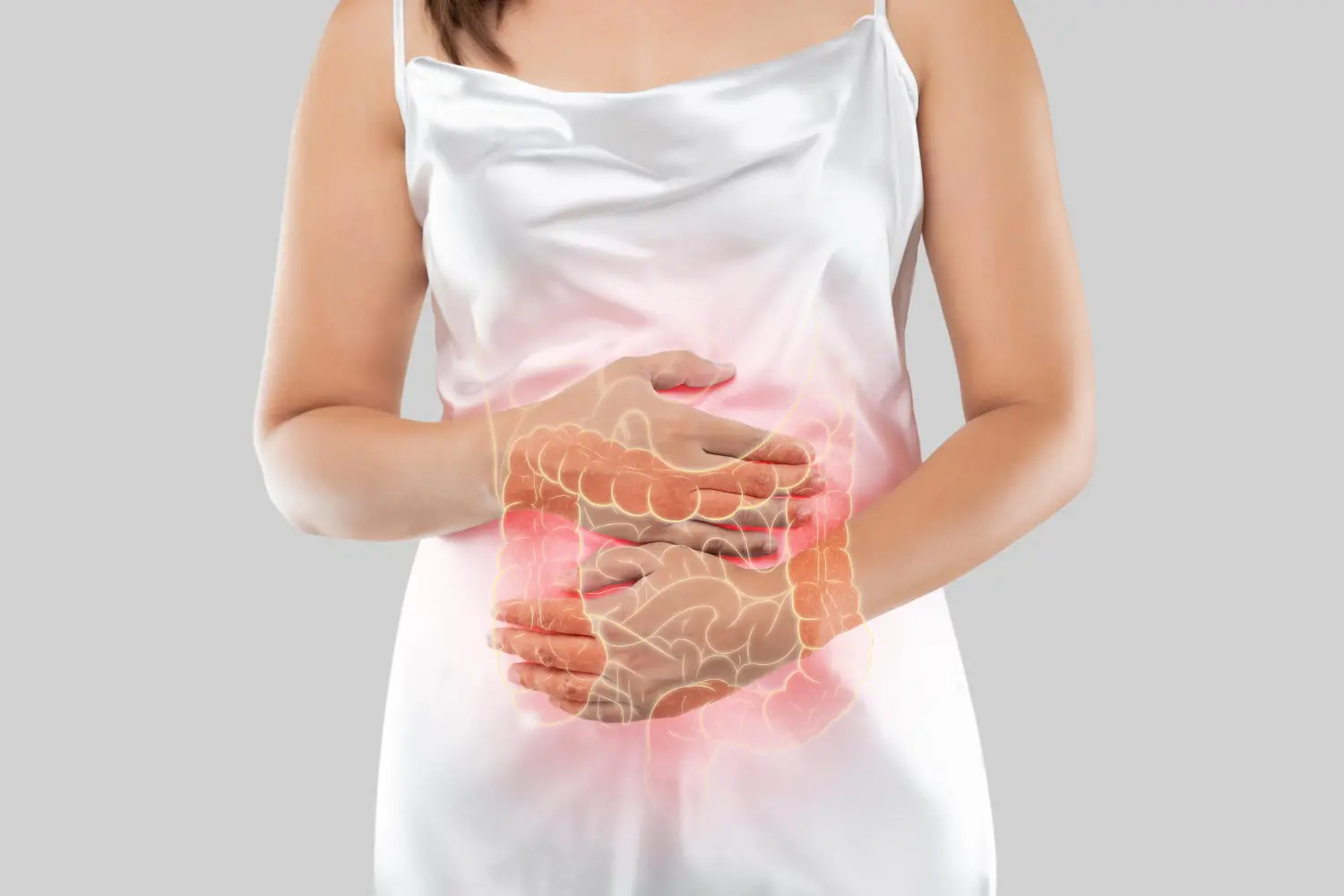
The intestine is a vital organ and acts as the body’s primary line of defense. Consumption of poor-quality food, allergens, and various toxins can lead to intestinal dysfunction and an imbalance of gut bacteria (dysbiosis). This can manifest in symptoms such as:
Bloating and indigestion
Chronic fatigue
Unexplained skin rashes or chronic acne
Depression
It may even progress to Autoimmune Diseases or Colorectal Cancer.
Comparing Methods of Colon Cleansing
There are several methods of colon cleansing, ranging from home enemas to open-system or closed-system machines. Each provides different levels of effectiveness:
Home Enema:
Offers the least effectiveness and the lowest level of cleanliness. It relies on gravity to flow water into the colon, making it impossible to control water pressure effectively.
Open-System Machine:
A step up from home enemas, as it uses a machine to assist water flow, allowing for a deeper reach. However, it still cannot generate sufficient pressure to reach the deepest sections of the colon or remove waste that has been stubbornly attached to the walls for a long time. It primarily cleanses only the lower portion of the colon.
The Superiority of the Closed-System
Closed-System Colon Hydrotherapy is considered the most effective method. It uses purified, sterilized water with a machine that precisely regulates water pressure, temperature, and volume to suit the body’s needs. This ensures safety while reaching the deepest parts of the colon.
Key Features of the Closed-System:
- Hygienic and Odorless: Water is introduced slowly while waste is discharged through a separate tube in a fully closed loop.
- No Mess: There is no need for the patient to strain or push, ensuring a mess-free and odorless experience.
- Expert Care: A medical assistant provides abdominal massages throughout the session to stimulate waste removal.
- Supervised: The entire 45-minute procedure is conducted under the supervision of specialized medical professionals.
Contraindications (Who should avoid this?)
Contraindications
(Who should avoid this?)
Colon hydrotherapy (by any method) is prohibited for individuals who:
pre-treatment checklist
2–3 Days Before: Preparation
The goal here is to hydrate the waste in your colon so it detaches easily during the session.
- [Increase Water Intake: Drink at least 2–3 liters of filtered water daily. Hydrated waste is much easier to remove than dehydrated, impacted stool.
- Eat “Clean” & High-Fiber: Focus on leafy greens, whole grains, and fruits. This begins the process of moving waste toward the exit.
- Reduce “Sticky” Foods: Minimize heavy dairy (cheese/milk), red meat, and processed flours (white bread/pasta). these can make waste more “mucoid” and harder to flush.
- Limit Gas-Forming Foods: Reduce beans, cabbage, broccoli, and carbonated drinks. Less gas in the colon means less cramping during the procedure.
24 Hours Before: Priming
- Avoid Alcohol & Caffeine: These dehydrate the colon and can make the smooth muscles of the gut more “irritable” or tense.
- Light Dinner: Have a light, easily digestible meal the night before (e.g., clear soup, steamed fish, or soft-cooked veggies).
On the Day of Treatment
- The “2-Hour Fast”: Stop eating at least 2 hours before your appointment. A full stomach can lead to nausea or discomfort during the abdominal massage part of the therapy.
- Limit Liquids 1 Hour Before: You don’t want a full bladder while someone is massaging your abdomen! Sip water only if necessary.
- Wear Comfortable Clothing: Opt for loose-fitting clothes or two-piece outfits (like a t-shirt and loose pants). You will likely be asked to change into a gown, but being comfortable before and after is a plus.
- ▪Arrive Early: Give yourself 15 minutes to relax, fill out any medical forms, and use the restroom one last time to empty your bladder.
Post-Care
Replenish Your Gut Flora (The Priority)
Since the irrigation process flushes out both bad and some good bacteria, you must immediately start “replanting” the good ones.
Dietary Recommendations (The First 48 Hours)
Sunrise:
Production ceases, and the hormone dissipates within 12 hours to help you wake up feeling refreshed.
Avoid "Heavy" Foods:
Stay away from red meat, fried/oily foods, processed sugars, and heavy dairy for at least 2 days.
Skip the Spice:
Avoid chili or heavy spices that might irritate the freshly cleansed intestinal lining.
No Gas-Inducers:
Limit raw cruciferous vegetables (like raw cabbage or broccoli) and carbonated drinks to prevent immediate bloating.
3. Hydration & Recovery
- Drink Plenty of Water: Aim for 2–3 liters of filtered water to help continue the detoxification process.
- Electrolytes: If you feel slightly fatigued or lightheaded, drink coconut water or an electrolyte drink to balance your minerals.
- Avoid Alcohol & Caffeine: Give your liver and kidneys a break for at least 24 hours.
4. Physical Activity & Rest
- Rest: You might feel a “detox burst” of energy, or you might feel sleepy. Listen to your body and rest if needed.
- Gentle Movement: A light walk is excellent for encouraging natural peristalsis (bowel movement) without straining the body.
- Abdominal Heat: If you feel mild cramping (which is normal as the colon readjusts), a warm compress on the stomach can be very soothing.